
Power Tool Housing Reliability: Lessons from a China Top PA6 GF30 For Power Tool Housing Factory
Modern cordless power tools operate under increasingly demanding field environments. Industrial workers and heavy-duty contractors subject these tools to constant mechanical vibration, thermal elevation, direct impact, and harsh chemical exposure. Consequently, global original equipment manufacturers (OEMs) demand housing materials that offer an uncompromising balance of mechanical rigidity, drop-impact toughness, and strict flame retardancy such as UL94 V-0 standards. Engineering teams routinely turn to 30% glass fiber reinforced polyamide 6 compounds to fulfill these requirements. However, reliance on standard material data sheets frequently creates a false sense of security during project development. Insights from a leading China Top PA6 GF30 For Power Tool Housing Factory reveal that laboratory test results often diverge from actual production reality. Standard ISO test bars evaluate materials under ideal, static conditions. In contrast, complex power tool housing geometries introduce intricate flow paths, varying wall thicknesses, and internal residual stresses. Therefore, an engineering polymer that passes tensile and Izod impact tests in a laboratory can still fail catastrophic drop tests on the factory floor. Achieving true component reliability requires looking beyond isolated resin specifications and understanding how processing dynamics alter material morphology from sample prototyping to high-volume production.
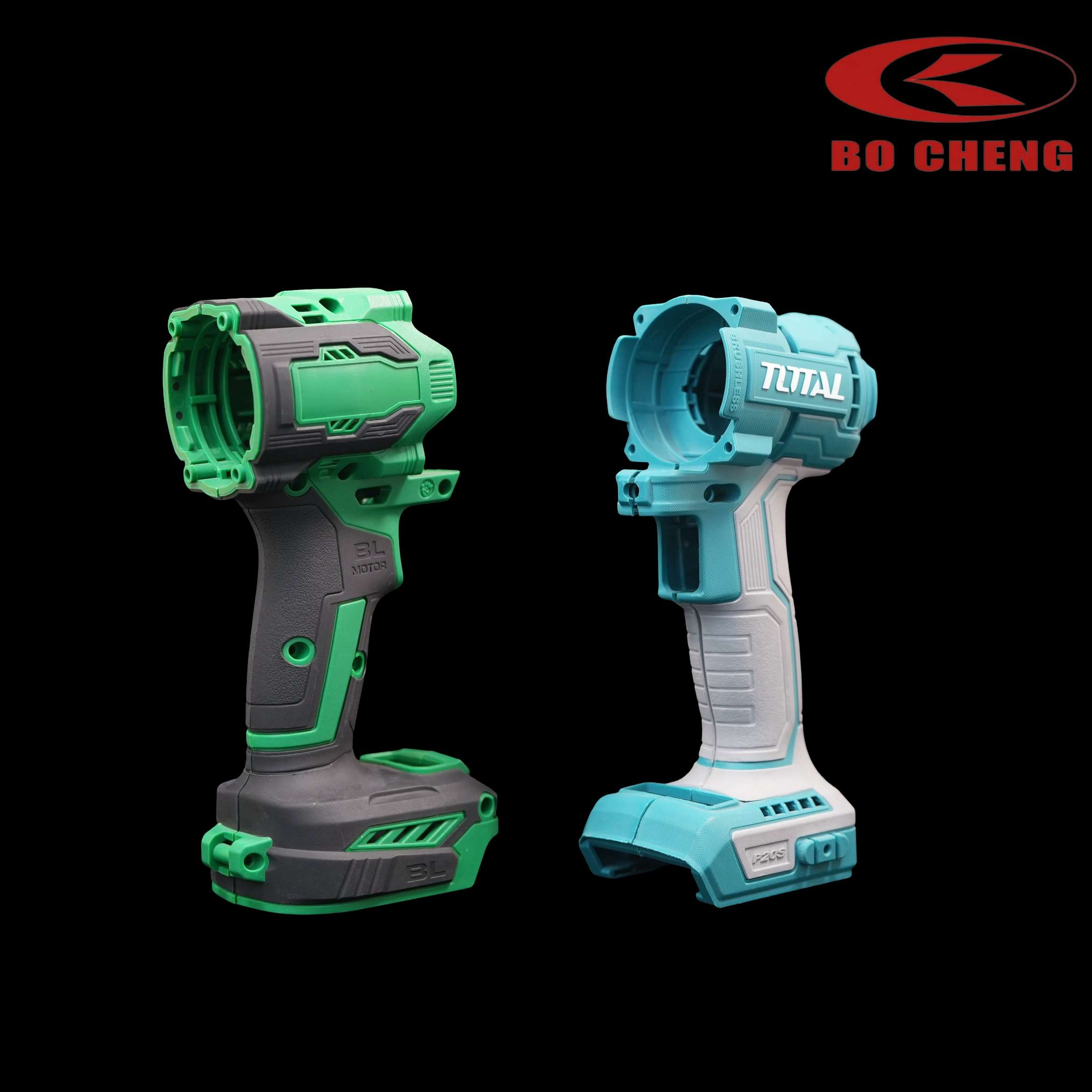
To bridge the gap between laboratory expectations and mass production performance, manufacturing engineers must analyze the internal micro-structure of molded polyamide parts. Three critical processing parameters directly dictate whether a PA6 GF30 component meets field durability targets.
First, mold temperature controls the crystallization kinetics of the polyamide matrix. When injection molders run tools at excessively low temperatures to shorten cycle times, the outer polymer layer cools too rapidly. This rapid quenching creates an amorphous outer skin with high internal tension and lower molecular order. Conversely, maintaining an elevated mold temperature allows the polymer chains to align into dense, uniform crystalline structures. Proper crystallization enhances surface hardness, creep resistance, and dimensional stability, preventing premature shell cracking under localized loads.
Second, fiber orientation and weld-line dynamics govern directional mechanical strength. As molten PA6 GF30 flows through intricate mold channels, the rigid glass fibers align parallel to the melt stream. While this anisotropic orientation boosts longitudinal tensile strength, it leaves transverse planes vulnerable to mechanical failure. Furthermore, where two melt fronts converge around internal ribs or screw bosses, they form weld lines. If the melt temperature or injection pressure drops at these confluence points, glass fibers fail to bridge the interface. As a result, weld lines become structural weak points that fracture easily during sudden dynamic drops.
Third, moisture absorption fundamentally transforms the mechanical profile of polyamide 6. In its dry-as-molded state, PA6 GF30 exhibits maximum stiffness and tensile strength but remains relatively brittle under sharp impacts. Over time, ambient atmospheric moisture penetrates the polyamide matrix, breaking internal hydrogen bonds and acting as a natural plasticizer. This moisture conditioning process shifts the glass transition temperature downward, significantly improving impact energy absorption while slightly lowering flexural modulus. Ignoring post-molding moisture equilibrium often causes engineers to misinterpret initial quality control test results.
A practical engineering case illustrates how processing optimization resolves real-world structural failures. A major power tool manufacturer encountered severe shell fracturing near the battery latching mechanism during pre-production testing. The tool shell utilized a standard PA6 GF30 formulation, and initial material certification sheets confirmed full compliance with mechanical standards. Nevertheless, test units consistently cracked when dropped from a height of 1.5 meters onto concrete surfaces.
Rather than immediately switching to a costlier resin grade, the engineering team conducted a comprehensive root cause failure analysis. Cross-sectional micro-imaging revealed significant fiber shear degradation and micro-void formation near the thin-walled battery housing section. High injection speeds had generated excessive melt shear, fracturing long glass fibers into short fragments and reducing their reinforcing efficiency. Additionally, sub-optimal mold temperature distribution caused uneven cooling rates across asymmetric wall sections, resulting in internal warping stresses.
The engineering team implemented a multi-stage corrective action plan. First, they optimized the injection velocity profile to minimize fiber attrition during gate passage. Second, they adjusted mold cooling channels to balance surface temperatures within an optimal window of 85°C to 95°C. Finally, they refined the gate location to move the primary melt front convergence away from high-stress structural ribs. Without altering the mold cavity geometry or changing the underlying resin specification, these process refinements increased the energy absorption capability of the housing by over 40%, completely eliminating drop-test failures during mass production runs.
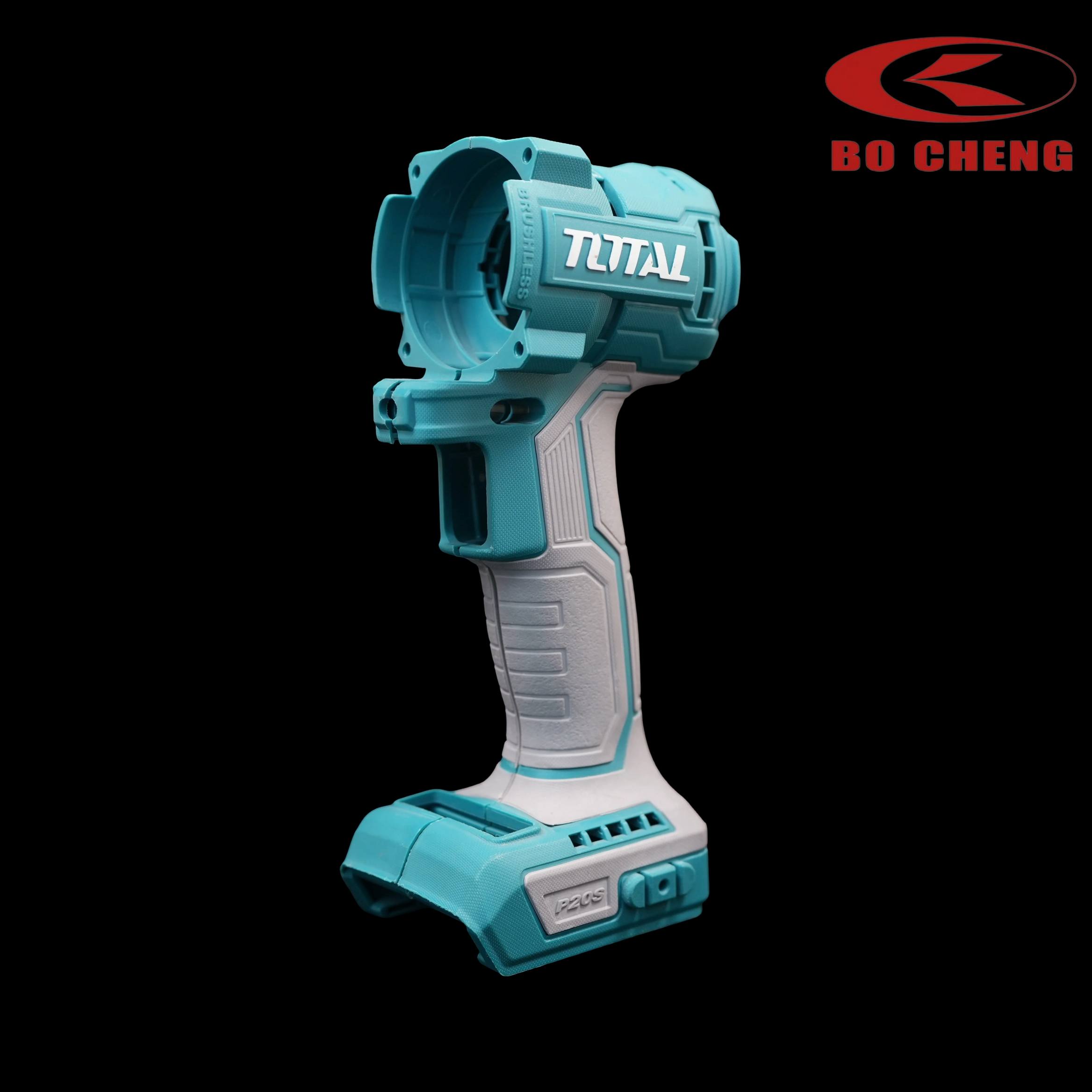
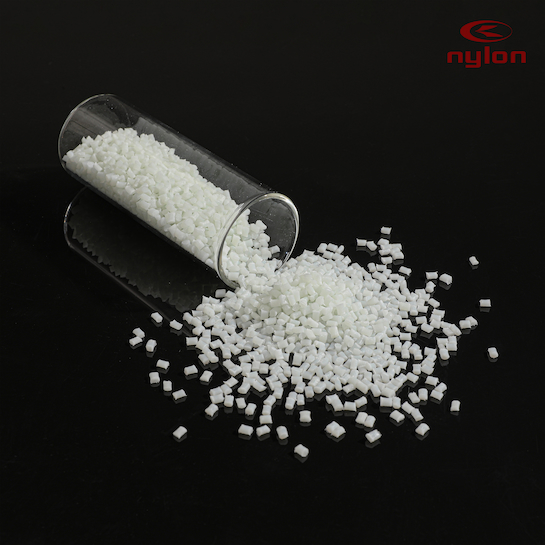
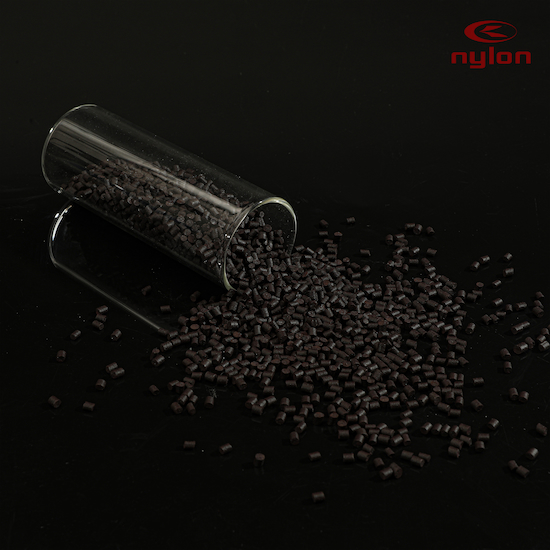
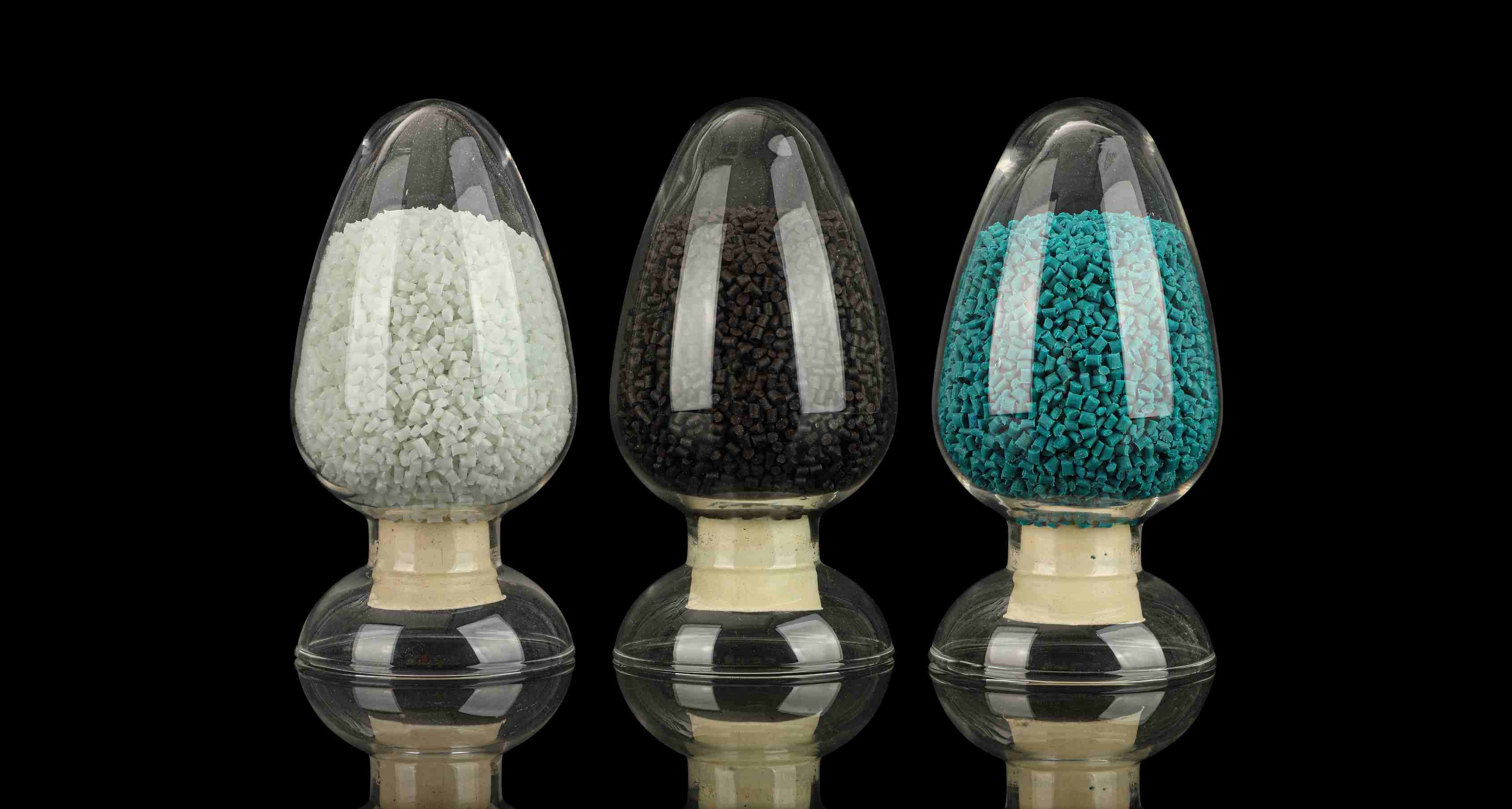
Solving complex manufacturing challenges demands raw materials formulated specifically for broad processing windows and consistent melt behavior. Material innovation from BOCHENG (Xiamen Bocheng Plastic Materials Co., Ltd.) directly addresses these production realities. By optimizing polymer chain length distribution and incorporating advanced glass fiber coupling agents, the company manufactures high-performance PA6 GF30 injection-grade materials in both natural and black options. These formulations deliver exceptional melt flow fluidity, superior fiber-matrix interfacial bonding, and minimal batch-to-batch viscosity fluctuation.
Furthermore, the technical team at Xiamen Bocheng Plastic Materials Co., Ltd. recognizes that high-quality resin represents only half of the reliability equation. The enterprise provides comprehensive technical support to molders and OEMs, offering mold flow simulation assistance, thermal process optimization parameters, and post-injection conditioning guidelines. Beyond power tool enclosures, these engineering resins support demanding automotive and industrial parts manufacturing applications where structural integrity remains non-negotiable. By combining tailored material chemistry with practical processing expertise, BOCHENG ensures that client components retain their mechanical integrity from initial prototype sampling through millions of production cycles.
Ensuring long-term product reliability in demanding market sectors requires a shift in procurement and engineering mindset. Original equipment manufacturers can no longer evaluate raw material value based solely on unit price per kilogram or static data sheet metrics. Instead, successful brand owners focus on total yield efficiency, processing consistency, and real-world part performance under dynamic stress.
Establishing close technical collaboration between material compounders, tool designers, and injection molding facilities early in the product development lifecycle mitigates costly design revisions. When compounders provide precise melt rheology data and processing support, molders can eliminate internal stress concentrations, optimize fiber orientation, and control moisture conditioning effectively.
Ultimately, mastering the interplay between material synthesis and molding parameters allows manufacturers to produce lighter, stronger, and safer power tool housings. Through rigorous quality management system certifications and specialized compounding technology, advanced material partners help global brands overcome mass-production hurdles and secure a competitive advantage in global markets.
To explore specialized PA6 GF30 material grades and technical engineering support, visit https://www.pa6-pa66.com/.