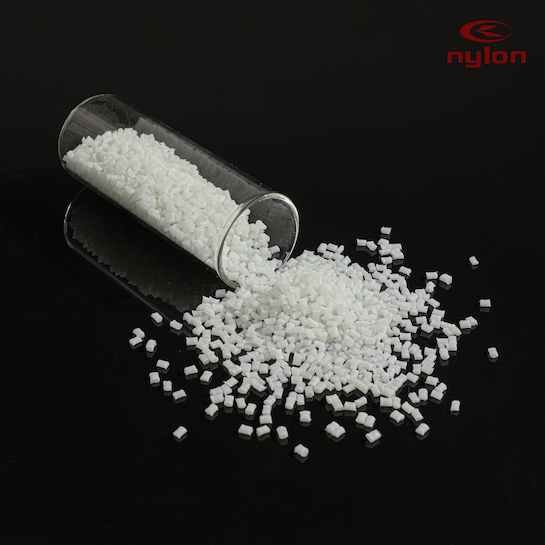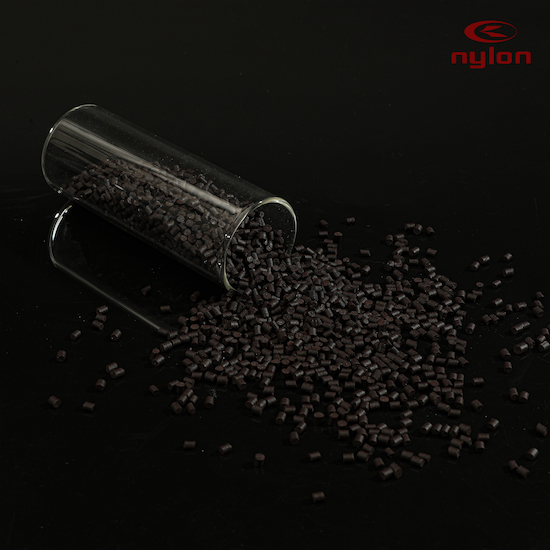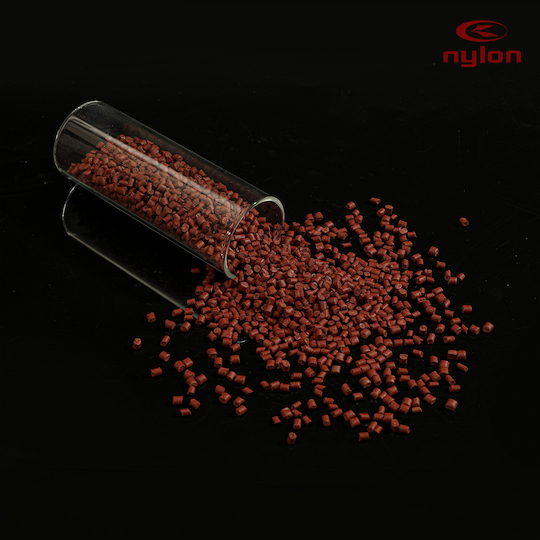

ISO 9001 and IATF 16949 Quality Standards at a Certified PA66 70G30HSLR BK009 Factory
Deconstructing Automotive-Grade Compliance: ISO 9001 and IATF 16949 Standards in Polyamide Compounding
High-performance engineering plastics power critical components in modern automotive platforms and heavy industrial machinery. Modern original equipment manufacturers demand extreme mechanical strength, structural integrity, thermal stability, and long-term chemical resistance. Polyamide 66 reinforced with 30% glass fiber represents a primary workhorse compound for high-stress structural parts. However, achieving superior raw material performance on a laboratory scale differs significantly from delivering uniform quality across thousand-ton commercial shipments. Automotive supply chains require rigorous adherence to international quality management frameworks to guarantee zero-defect manufacturing. Sourcing engineering resins from a verified Certified PA66 70G30HSLR BK009 Factory gives tier-1 molders structural guarantees for critical under-the-hood components and heavy-duty mechanical assemblies.
Standard ISO 9001 certification provides a foundation for systematic quality management, operational governance, and organizational consistency. However, the automotive sector demands the specialized IATF 16949 quality framework to address extreme field conditions. This stringent standard integrates Advanced Product Quality Planning and the Production Part Approval Process directly into daily compounding workflows. These engineering protocols emphasize defect prevention, continuous risk reduction, comprehensive failure mode identification, and total variation elimination across high-volume production runs. Consequently, certified compounding facilities maintain detailed control metrics across raw resin selection, fiber surface sizing, heat stabilizer loading, and twin-screw extrusion parameters.

The Five-Stage Quality Protocol: Mapping Standards into Everyday Manufacturing
Translating high-level quality certifications into consistent physical properties requires an integrated testing protocol across every compounding step. Quality control begins during the raw material incoming inspection stage. Quality engineers test virgin PA66 base resin for relative viscosity, initial moisture content, and molecular weight distribution. Simultaneously, technical teams audit glass fiber strand length, sizing compatibility, and heat stabilizer purity prior to compounding. Controlling raw material inputs prevents batch-to-batch variations before processing ever begins.
The second phase governs in-process quality control during twin-screw melt compounding. Extrusion monitoring systems track barrel temperature profiles, screw speed, torque, and vacuum degassing pressure in real time. Technicians verify the precise 30% glass fiber loading through burn-off ash testing at regular intervals. Furthermore, automated sampling checks matrix dispersion uniformity, anti-oxidant distribution, and heat stabilizer dispersion throughout continuous production runs.
Stage three focuses on particle morphology and micro-milling consistency during pellet handling and transformation. Controlling granule size distribution, bulk density, and surface dust levels ensures uniform feeding behavior and consistent melting rates inside customer injection molding machines.
Stage four applies advanced analytical characterization through differential scanning calorimetry and melt rheology testing. Thermal analysis determines melting point behavior, crystallization temperature, glass transition points, and enthalpy curves. Evaluating these thermodynamic markers eliminates thermal hysteresis and prevents molecular chain degradation during high-temperature compounding.
The final stage completes outgoing quality verification through comprehensive Certificate of Analysis documentation. Quality teams pull random samples from each finished lot to perform standardized mechanical testing. Technicians measure tensile strength at yield, flexural modulus, Izod notched impact resistance, and heat deflection temperature under standardized environmental conditions. Outgoing shipments must meet exact specification thresholds before receiving final quality clearance for release.
Traceability Architecture: Full-Lifecycle Genealogies from Granule to End Application
A core pillar of IATF 16949 compliance involves establishing complete product traceability across the entire manufacturing lifecycle. Every production batch receives a unique digital identifier that links finished pellets back to original raw material lots, specific production operators, and machine run numbers. Automated warehouse management systems record raw material origin, continuous sensor logs, feeder calibration data, and final laboratory test results within a centralized database. This detailed data trail allows engineers to isolate process variables and conduct rapid root-cause diagnostics if field anomalies occur during molding operations.
Systematic quality control becomes especially critical during the scale-up transition from pilot samples to full commercial production runs. Technical teams analyze process variations to bridge performance gaps during the transition from sample to mass production: engineering root cause analysis of nylon material performance improvement. Identifying subtle thermal shifts, filler degradation, or fiber orientation issues during early production prevents costly mold modifications and scrap generation later. Documented process stability prevents unexpected mold shrinkage variation, warpage, or mechanical drop-offs during high-speed injection molding.
Enterprise Quality Infrastructure & Certification Verification
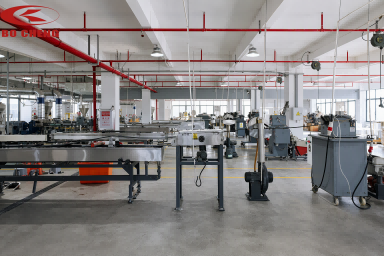
Executing rigorous automotive quality standards requires advanced processing infrastructure, automated control systems, and certified laboratory testing facilities. Industrial compounder BOCHENG (Xiamen Bocheng Plastic Materials Co., Ltd) maintains specialized production lines dedicated to high-strength polyamide compounding. The facility operates under certified quality management systems, including ISO 9001:2015 certificate CN19/31332 and IATF 16949:2016 certificate 0380315, issued by international accredited registrar bodies. These official credentials confirm that manufacturing operations adhere strictly to global quality control standards.
With an annual engineering plastic production capacity exceeding 15,000 tons, BOCHENG delivers consistent material supplies for demanding global applications. The enterprise manufactures specialized formulations, including heat-stabilized, hydrolysis-resistant, glycol-resistant, and black pigmented grades like PA66 70G30HSLR BK009. These materials supply major automotive suppliers for engine covers, intake manifolds, cooling system modules, thermostat housings, and structural electrical connectors.
Partnering with a Certified Polymer Engineering Pioneer
Sourcing engineering plastics from a certified manufacturer provides significant competitive advantages for tier-1 suppliers and industrial molders. In-house compounding expertise allows technical teams to adjust glass fiber loading, thermal stabilizers, flame retardants, and color matrices to meet custom customer specifications. Direct collaboration with experienced polymer engineers streamlines material qualification cycles, minimizes tool tuning, and shortens time-to-market for complex engineering projects.
Transparent procurement practices give international clients direct access to technical support and complete quality documentation. Enterprise buyers and quality auditors can verify official accreditation records, review complete product specifications, examine lot-specific inspection reports, and request validation samples for independent testing. Partnering with a certified compounding specialist establishes reliable material supply chains, protects brand equity, and ensures long-term part reliability in demanding end-use applications.
Discover verified polyamide manufacturing capabilities and quality documentation at: https://www.pa6-pa66.com/.